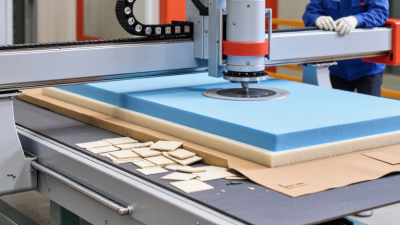
Choosing a Manual Cutting Machine is less about finding the largest model and more about matching the tool to your actual work. Paper, fabric, leather, foam, and thin sheet materials each place different demands on a blade, cutting bed, and clamping system. A machine that handles occasional craft projects may struggle with repeated production or wider stock. It looks simple. The details matter.
Start by checking the material’s thickness, width, and stiffness, then compare those needs with the manufacturer’s stated capacity. Consider how the machine guides and secures material: a firm clamp and clear measurement scale can help reduce slipping and uneven cuts. Blade type matters, too. A rotary blade suits some flexible materials, while a guillotine-style blade may be more practical for stacks of paper. Always confirm compatibility and follow the operating instructions.
Think about the workspace as well. A heavy tabletop model can feel stable, but it may be inconvenient if you need to move or store it often. Check replacement-blade availability, adjustment requirements, and cleaning access before buying. If possible, test a sample of your own material; a neat cut on thin paper does not prove the machine will perform equally well on dense fabric. No single feature settles the choice. A careful match between workload, material, budget, and maintenance needs usually gives more dependable results, though real-world performance can still surprise you.

A manual cutting machine should be selected around the material, not just its advertised cutting capacity. List the materials you handle, then note their thickness, stiffness, stretch, and surface finish. A rotary blade may glide through thin fabric but distort elastic knits; a guillotine-style cutter may suit stacked paper but struggle with soft, shifting sheets. Textile Exchange’s Materials Market Report 2024 estimates that global fiber production reached 124 million tonnes in 2023. That variety matters: natural fibers, synthetics, and blends can respond differently to blade pressure and edge support.
Define the actual tasks, too. Are you making straight strips, curves, repeated shapes, or short production runs? Record the widest piece, the thickest stack, and the cut tolerance you need. Test the machine on offcuts from the real material, including layered or coated samples. Test the scraps. Check whether edges fray, curl, compress, or need finishing. A clean cut on one layer proves little.
For frequent work, consider blade replacement, clamping, feed effort, and whether the cutting bed supports the full sheet. A machine that handles heavy board may be awkward for delicate fabric. Conversely, a light cutter can drift when cutting dense material. Keep a simple trial log: material, blade type, number of layers, effort, and edge quality. I have found that skipping this step is an easy mistake; catalog specifications rarely describe every material combination.
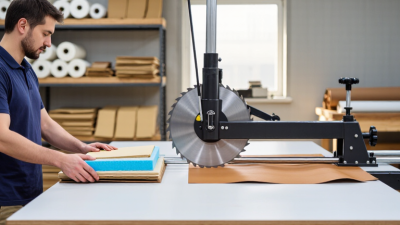
How to Choose the Best Manual Cutting Machine?
Manual cutting machines differ in how they guide the blade and hold the material. A rotary trimmer moves a circular blade along a rail. It suits straight, accurate cuts in paper, photos, and thin card. The sliding action is easy to control, though cutting thick stacks may leave uneven edges.
A guillotine cutter uses a hinged blade and a lever. It can trim larger stacks quickly, but the operator must keep the material square and hands clear of the blade. A firm hold-down helps prevent shifting. Die cutters work differently: a hand crank presses a shaped die through the material. They are useful for repeating the same shape, but each die limits the designs and material thickness available. Check the machine’s stated capacity rather than judging by appearance.
Match the operating method to the work. For occasional single-sheet trimming, a rotary model may be simpler to handle. For batch cutting, a guillotine can save time if its measuring guides are clear and stable. For repeated shapes, consider the die system and the effort needed to turn its handle. Try a sample cut first. It reveals problems quickly. Even experienced users can overlook blade wear or a slightly skewed paper edge. A clean-looking cut is not always a square one.
A manual cutting machine should match the material and the largest cut you actually make. Check the rated width, thickness, and cutting force, then test a sample at the maximum load. A machine that handles thin sheets cleanly may drift or leave a ragged edge on dense board. Leave some capacity in reserve; operating at the limit every time can make results less consistent. Small detail, big difference.
Precision is more than a sharp blade. Look for a rigid fence, clear measurement marks, and a bed that stays flat under pressure. ISO 230-2:2014 sets out methods for testing positioning accuracy and repeatability in machine tools; its measurement approach is a useful reference when comparing repeated cuts. Make ten cuts on the same stock and measure each one. A 1 mm spread may matter on fitted parts, but less on rough blanks. Be honest about the tolerance your work needs.
Build quality shows up in the moving parts. Check for play in the handle, blade carrier, and fence, and inspect whether fasteners loosen after repeated cycles. For paper and board, ISO 534:2011 specifies methods for measuring thickness, helping buyers compare material samples under controlled conditions. Record the stock thickness and cut results, not just the machine’s advertised capacity. A sturdy frame can still disappoint. And a slightly awkward adjustment can be easy to miss until production begins.
How to Choose the Best Manual Cutting Machine?
Check Safety Features, Ease of Use, and Maintenance Needs
A good manual cutting machine should feel stable before it feels fast. Check for a firm base, a secure blade lock, and guards that keep fingers clear of the cutting path. If possible, test the handle with the machine switched off. It should move smoothly without wobbling or sticking. Match the cutting capacity to the materials and thickness you actually use. A machine that struggles with everyday tasks can encourage awkward pressure and uneven cuts. Read the operating instructions, too; small setup details matter.
Ease of use often shows up in ordinary jobs. Can you align material against a clear guide? Are adjustments simple to make and easy to repeat? A comfortable handle and reachable controls can reduce strain during longer sessions. Maintenance deserves the same attention. Look for clear instructions on cleaning, blade checks, lubrication, and replacement parts. Dust and scraps can collect around moving parts, so routine cleanup helps keep operation predictable. It is easy to focus on cutting power and overlook upkeep. That can be a poor trade-off.
Tips: Before each session, check the blade, fasteners, and cutting surface. Keep hands outside the marked cutting zone, and use material supports when needed. Follow the maker’s care instructions. If a cut suddenly feels rough, stop and inspect the setup rather than forcing it.
A manual cutting machine should fit the work you actually do, not the work you might do someday. Start with the materials, their thickness, and the widest piece you regularly cut. Measure the bench, too. Leave breathing room. You need space to feed material through and collect offcuts without knocking tools onto the floor. A machine that fits only when the room is perfectly tidy may become frustrating in daily use.
Set a budget that includes more than the purchase price. Check whether blades, clamps, or other wear parts are easy to replace and reasonably priced. For occasional small cuts, a compact model may be enough; frequent jobs or wider stock may justify a sturdier machine. Compare the usable cutting width with your usual material, rather than relying on the machine’s overall size. Keep enough room around the cutting area to position material securely and keep your hands clear. A common misjudgment is buying extra capacity “just in case.” It sounds sensible, but unused capacity can cost money and bench space. I would still leave a little room for changing projects; that balance is not always obvious before the machine is in place.